
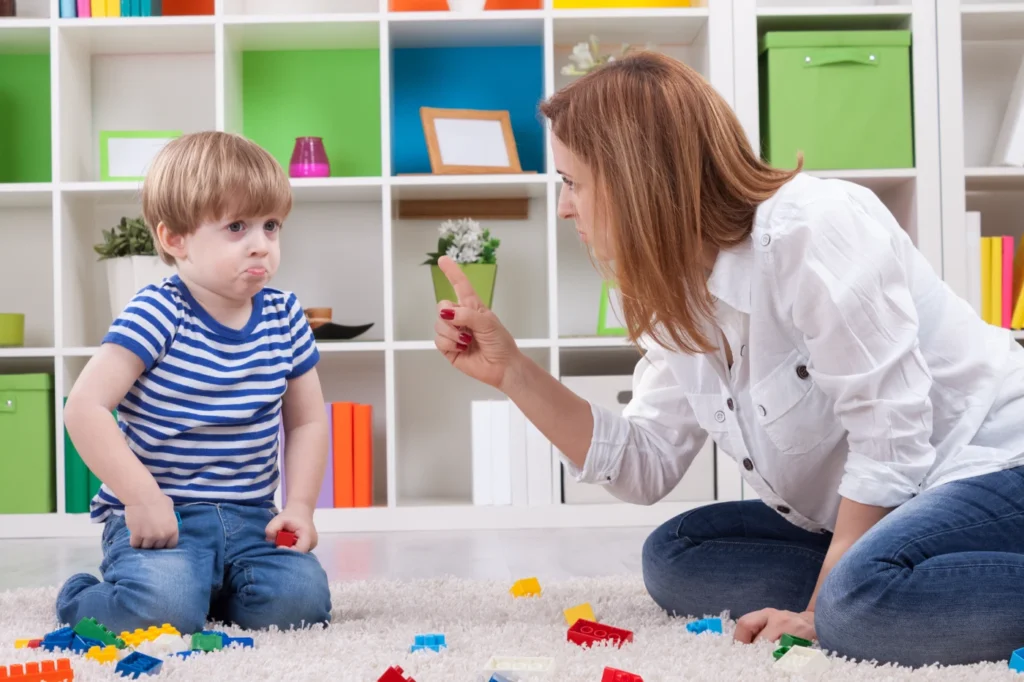
Preschool can be an exciting time for children, but it can also be a time of big emotions, strong impulses, and challenging behaviors. Biting and hitting are common concerns for many preschoolers, and they can be stressful for parents and teachers alike. Understanding why these behaviors occur and how to respond can make a big difference.
Why Preschoolers Bite or Hit
Children bite or hit for many reasons, and it’s often less about being “bad” and more about communication and self-regulation. Some common causes include:
- Difficulty expressing feelings – Young children may not have the words to express anger, frustration, or excitement.
- Impulsivity – ADHD children or those with sensory regulation challenges may act before thinking.
- Sensory seeking or avoidance – Some children bite or hit to meet sensory needs or respond to overwhelming sensory input.
- Testing limits – Preschoolers are learning social rules and may test boundaries to see how others respond.
- Communication challenges – Children with speech or language delays may use physical behaviors as a way to communicate wants or needs.
When to Consider Therapy
If biting or hitting is frequent, severe, or disrupting school, it may be helpful to explore therapeutic support. But how do you know which type of therapy is the best fit?
1. Play Therapy
What it is: A child-centered approach where children use play to express emotions, learn social skills, and practice coping strategies.
Best for:
- Children who struggle with emotional regulation
- Children who act out due to frustration, anxiety, or difficulty expressing feelings
- Situations where the behavior seems linked to social-emotional challenges rather than sensory or communication needs
Signs it might help:
- Your child is physically aggressive when upset but has no major sensory or speech issues
- Difficulty making friends or navigating social situations
- Emotional outbursts that seem hard for your child to control
2. Occupational Therapy (OT)
What it is: Therapy focused on helping children develop the skills needed for daily life, including motor skills, sensory regulation, and self-control.
Best for:
- Children who act out in response to sensory input (noise, textures, transitions)
- Difficulty with fine motor skills, self-care, or coordination
- Frequent frustration due to inability to control impulses
Signs it might help:
- Your child bites or hits during sensory overload or high-energy play
- Difficulty calming down after minor disruptions
- Struggles with coordination, balance, or fine motor tasks
3. Speech Therapy
What it is: Therapy aimed at improving communication, including expressive and receptive language, social communication, and alternative communication methods.
Best for:
- Children who have trouble using words to express wants, needs, or feelings
- Nonverbal children or those with limited vocabulary
- Situations where behavior seems to communicate a message the child can’t verbalize
Signs it might help:
- Your child bites or hits when trying to get what they want or respond to frustration
- Frequent tantrums due to difficulty making needs understood
- Delays in speech or language development
Tips for Parents and Caregivers
- Stay calm and consistent – Respond with firm boundaries but avoid emotional overreaction.
- Label emotions – Help your child recognize and name feelings: “I see you’re frustrated.”
- Teach alternative strategies – Offer safe ways to express anger or frustration, like using words, deep breaths, or stress balls.
- Track patterns – Note when and where behaviors happen to help identify triggers.
- Collaborate with teachers and therapists – A team approach ensures consistency and support across settings.
Biting and hitting in preschool are often a normal part of development, but frequent or intense behaviors can signal that a child needs extra support. Understanding whether the root cause is emotional regulation, sensory needs, or communication difficulties can guide you in choosing the right therapy whether that’s play therapy, occupational therapy, speech therapy, or sometimes a combination of supports.
With guidance, consistency, and the right interventions, children can learn safer ways to express themselves, navigate social interactions, and build confidence in their abilities.
Helping children communicate, regulate, and connect sets the foundation for lifelong social and emotional success.